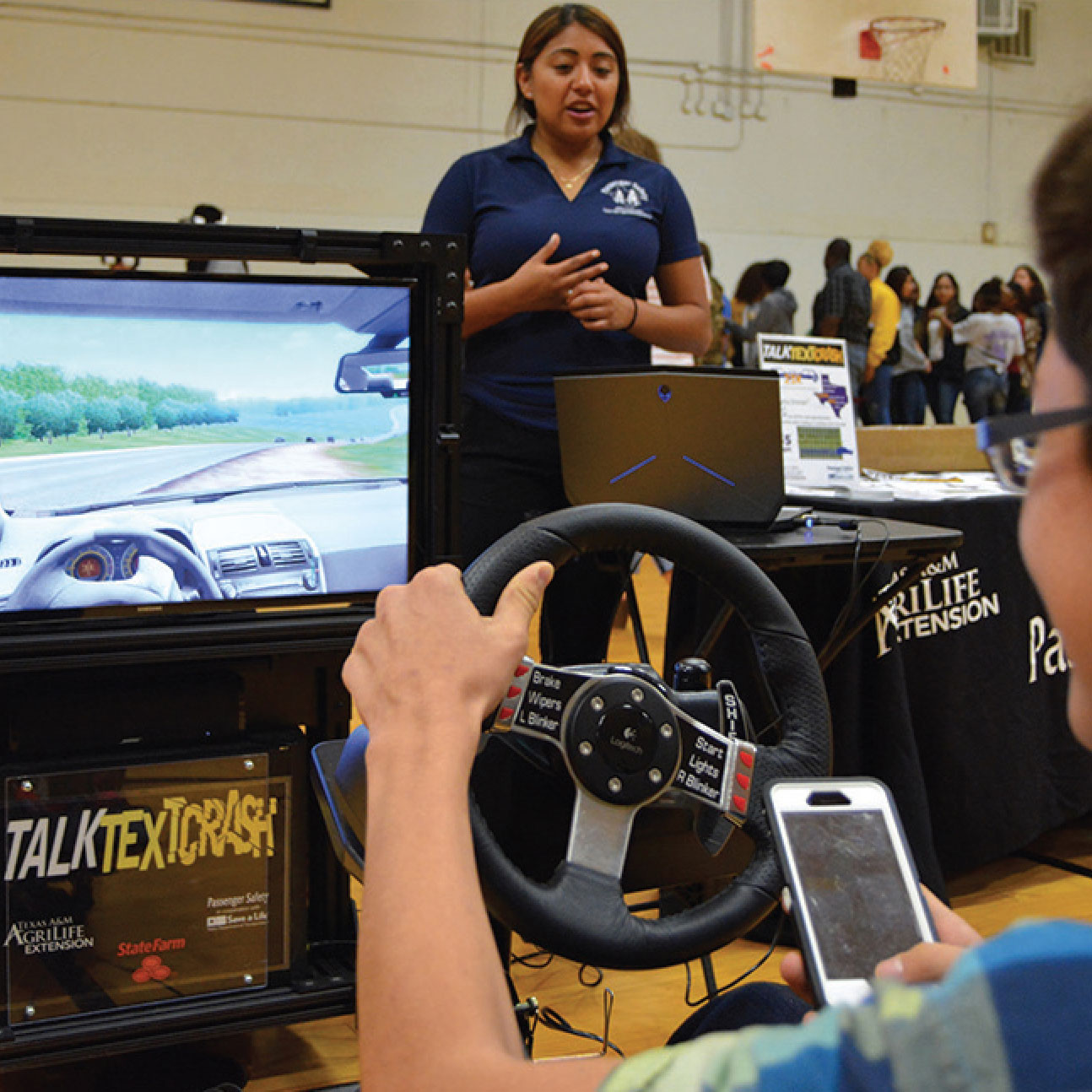
image of health fair booth

Health Fair Planning Guide

Setting Up Committees and Duties

Chair or Co-Chairs

The educator may elect to be chair or may share the responsibilities with another person as her co-chair.

Planning/Coordinating Committee

Organize a planning committee of six to eight people. Members of this committee will provide leadership and coordination for subcommittees. They can also identify key people for subcommittees.

Try to have a representative from the following groups on the planning committee:

A broad-based community planning committee will provide:

Duties

Clinical Subcommittee

Health professionals on the clinical subcommittee can help determine what is appropriate to include in a health fair for the target audience. Not all brochures, giveaways, or topics should be included. For example, giving away small objects that could be swallowed by toddlers should be avoided at family-oriented health fairs.

Not all health fairs require screenings. Including screenings in children’s health fairs, for example, may not be worthwhile because schools perform required checks of height and weight, scoliosis, vision, hearing, etc. No intrusive procedure like drawing blood or finger sticks can ever be done on children without their parents’ signed permission. Hands-on, activity-focused health fairs would benefit children more.

Screening for blood pressure, cholesterol, blood glucose, etc. may be planned if appropriate for the target audience. If screenings are provided, the clinical subcommittee must help in determining appropriateness for the audience, finding appropriate providers, making sure universal precautions are followed, results are accurate, and participants are properly informed about results and provided with follow-up suggestions. Provisions must be made for situations when someone’s blood pressure or blood sugar is found to be dangerously high during the health fair — where can that person go for immediate help?

For these and many other reasons, having a clinical subcommittee is critical for a health fair.

Duties

Administrative Subcommittee

Depending on the size of the health fair, this committee might have to be broken into smaller committees. For example, the facilities committee might be in charge of finding an appropriate place, developing a floor plan and map, and decorating. Another committee might be needed to take care of food, while an additional committee might be in charge of procuring door prizes, entertainment, decorations, games, and incentives. Another committee might take care of the clerical duties, such as creating forms and signs.

Facilities Subcommittee

The Facilities Subcommittee should consider the following when selecting facilities:

Procurement Subcommittee

The duties of the Procurement Subcommittee include:

Food Subcommittee

The Food Subcommittee is responsible for refreshments. When deciding on the types of refreshments to serve, consider:

Clerical/Staffing/Scheduling Subcommittee

Publicity/Community Relations Subcommittee

Duties of the Publicity/Community Relations Subcommittee include:

Health Fair Time Table

Step 1

Select chair or co-chairs. Select and meet with planning/coordinating committee.

Step 2

Form and meet with subcommittees. Have subcommittees appoint chairs to report activities to planning committee.

Step 3

Select dates and times and secure location for the Health Fair.

Step 4

Ask exhibitors, clinicians, and other people working in the Fair to reserve the selected date.

Step 5

Provide a written confirmation to exhibitors and include the following information:

Step 6

Order handouts from the American Heart Association, Red Cross, American Diabetes Association, etc.

Step 7

Duplicate printed materials (registration forms, evaluation forms, publicity printing, etc.)

Step 8

Locate and line up needed equipment (chairs, tables, and other necessary supplies).

Step 9

Draw a floor plan. Consider traffic flow and lines for screening, location of electrical outlets and space requirements for each booth. Provide the floor plan to each exhibitor.

Step 10

Plan for the Extension exhibit.

Step 11

Meeting with committee chairs one month before the Health Fair is scheduled to review progress towards implementation of plans.

Step 12

Set up tables, equipment, refreshments, etc. the night before.

Step 13

Troubleshooting, welcoming of participants, press, and special visitors.

Step 14

Clean up, return borrowed equipment.

Step 15

Tabulate evaluation results and submit newspaper articles.

Step 16

Thank-you letters to all who assisted in the Health Fair.

Step 17

Follow-up on referrals from screening, evaluation of Health Fair, and report accomplishments.


[ Next Page: Activity Ideas for Health Fairs ]

[ Previous Page: Objectives and Planning of a Health Fair ]

[ Health Fair Planning Guide Index ]


Topic Navigation:

Agent Login


Family Development & Resource Management
2251 TAMU
College Station, Texas
77843-2251
phone: 979.845.3850
fax: 979.845.6496
fdrm@tamu.edu

Food & Nutrition
2253 TAMU
College Station, Texas
77843-2253
phone: 979.845.6379
fax: 979.847.9225

[Texas AgriLife Extension Service]

[Texas A&M System]