image of health fair booth

Health Fair Planning Guide

Activity Ideas for Health Fairs

Activity-oriented health fairs inspire more learning than a passive look-and-see health fair. Topic choices are limitless. Your health fair planning committee can help choose topics. Ask participant agencies to come prepared to provide a hands-on teaching activity in their booth. These booths should provide something to do that will teach as least one important point about their subject. Here are some activity-oriented, hands-on ideas for your health fair.

Plan a County Extension Booth

This booth can offer information on various Extension programs and provide sign-up sheets for Extension activities, such as letter series and workshops. This would be a good place to have participants to sign in and register for door prizes. Keep participants’ names from these door prize registrations for your mailing lists, too. Other ideas include having a fact sheet noting Extension accomplishments in your county. Have a sheet noting upcoming programs you will be offering.

Booths, Exhibits and Demonstrations

The following are suggestions for hands-on booths you can put together or solicit others to provide during your health fair.

Key to Suggested Target Audiences:

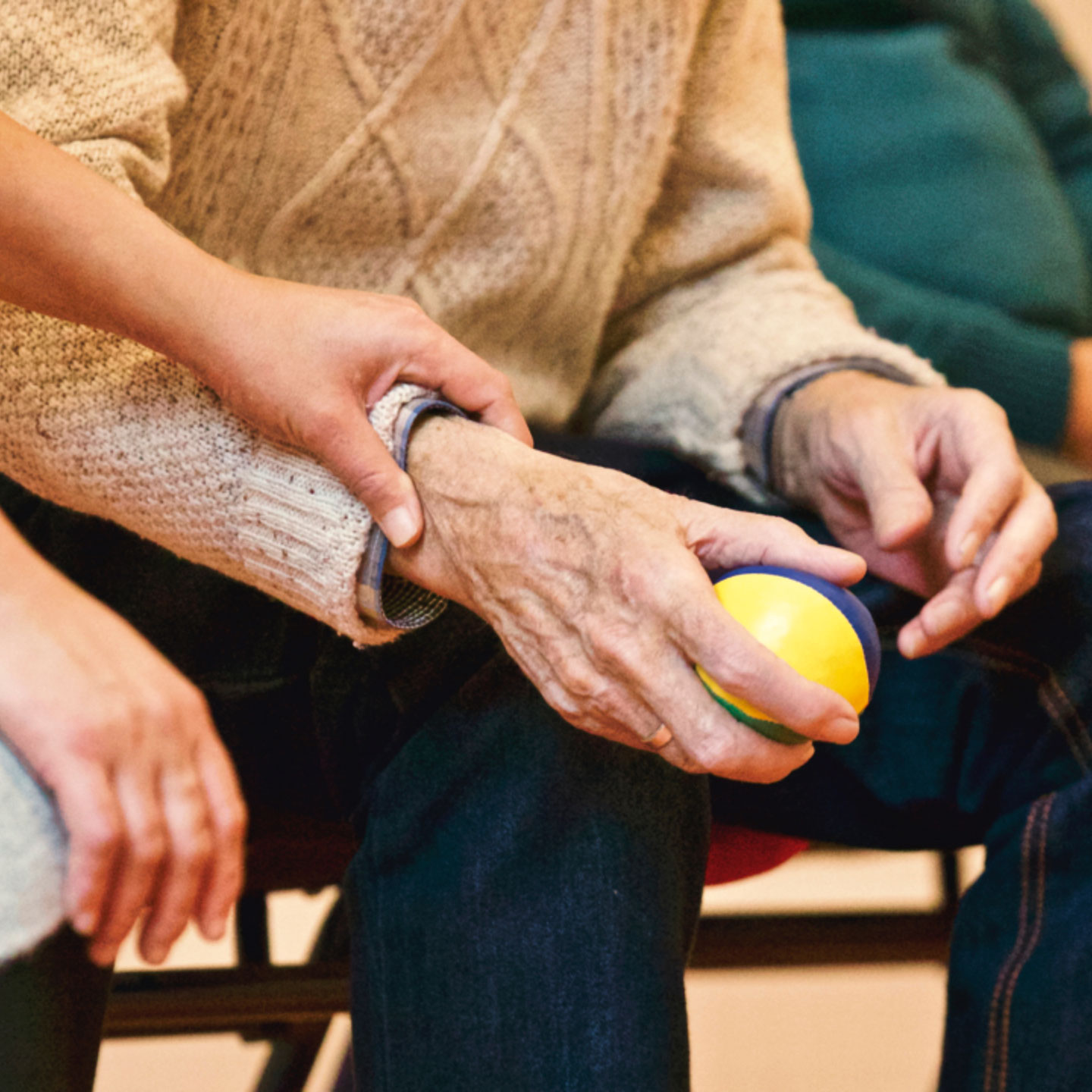
AARP (O)

Contact the AARP (American Association for Retired Persons) [http://www.aarp.org]
for information on older adult health as well as benefits available to seniors country-wide.

Arthritis Education (A,O)

Contact the Arthritis Foundation [http://www.arthritis.org] for materials on arthritis and how to care for it.

Back Health (ALL)

Ask your local chiropractor to show a display of the backbone and discuss the importance of posture and having a healthy back. Let the care provider know he or she can advertise the practice through this booth by giving out free notepads, pencils, etc. with the business information printed on them. The Healthwise Handbook (http://www.healthwise.org) has excellent back self-care information.

CPR and First Aid (ALL)

Ask your local EMS (Emergency Medical Services), EMT (Emergency Medical Technician), or paramedic to demonstrate CPR, first aid techniques, and give a tour of an ambulance.

Dental Care (ALL)

Ask your local dentist to provide an exhibit or booth on dental care. Ask if toothbrushes, dental floss, etc. could be given away free of charge at the booth. Let the dental care provider know he or she can advertise the practice through this booth.

Disability Awareness (C, Y, T)

Have a booth with stations to help kids understand how people have to adapt when they become disabled or unable to perform daily tasks due to age-related ailments. Try having participants put cotton balls in their ears and then listen to instructions at each station throughout the booth. Stations could include putting plastic bags tightly over the hands and securing with rubber bands (e.g., arthritic hands), then have participants try to pick up objects; or put socks on their hands and have them try to pick up a dime. Have participants try to pull a sticker off their back without raising their arms above their chests (e.g., loss of flexibility). Have participants put on non-prescription glasses covered with petroleum jelly and try to read a label on a pill or cough medicine bottle (e.g., blurred vision). For those participants with glasses, you can place plastic wrap over their glasses for a similar effect. Use a wheelchair to race around cones or have a race on crutches. Have participants try to read, seeing what someone with dyslexia might see.

Hand-washing (C, Y, TP, AP, GP)

Have a demonstration booth on hand-washing. Put a small amount of glitter on participants’ hands. Let one participant wash their hands in a bowl with soap and one without soap. Show how soap gets rid of the glitter (germs) better than water alone (be sure to have pitchers of fresh water available). Or, put glitter in your hand, shake the hands of participants, and show them how the glitter was transferred. Explain how germs are transferred in this way. (This activity could also be done as a short program, rather than a booth, during your health fair.)

The Soap and Detergent Association website at http://www.sdahq.org has many resources and activities to teach handwashing.

Glo Germ Company at http://www.glogerm.com produces kits that include a light and liquid to show if hands were washed properly. Lesson plans and other educational materials are also available on their website. Charges vary depending on which kit is selected.

Home Health Center (A, O)

Make handouts and a display of the health care medicines, supplies, and information to have on hand in the home, including self-care tools (e.g., thermometer, humidifier, cold pack, etc.), over-the-counter products (e.g., decongestants, cough suppressant, antidiarrheal, hydrocortisone cream, etc.), and information such as family self-care resources. The Healthwise Handbook, an excellent self-care manual, may be ordered at http://www.healthwise.org. The Healthwise Handbook helps families make better health-care decisions including when to seek emergency medical treatment as well as safe home treatment for the most common health care issues for families. Local retailers might wish to donate some Healthwise Handbooks and other home health items as door prizes.

Mental Health (T, A, O)

Consult the National Clearinghouse for Alcohol and Drug Information website at http://ncadi.samhsa.gov for handouts and activity ideas. Additional Texas specific information may be found at http://www.dshs.state.tx.us/mentalhealth.shtm. Contact your local mental health facility; some facilities have stress monitors and computer programs for biofeedback, which they may be willing to provide during your health fair.

Nutrition (ALL)

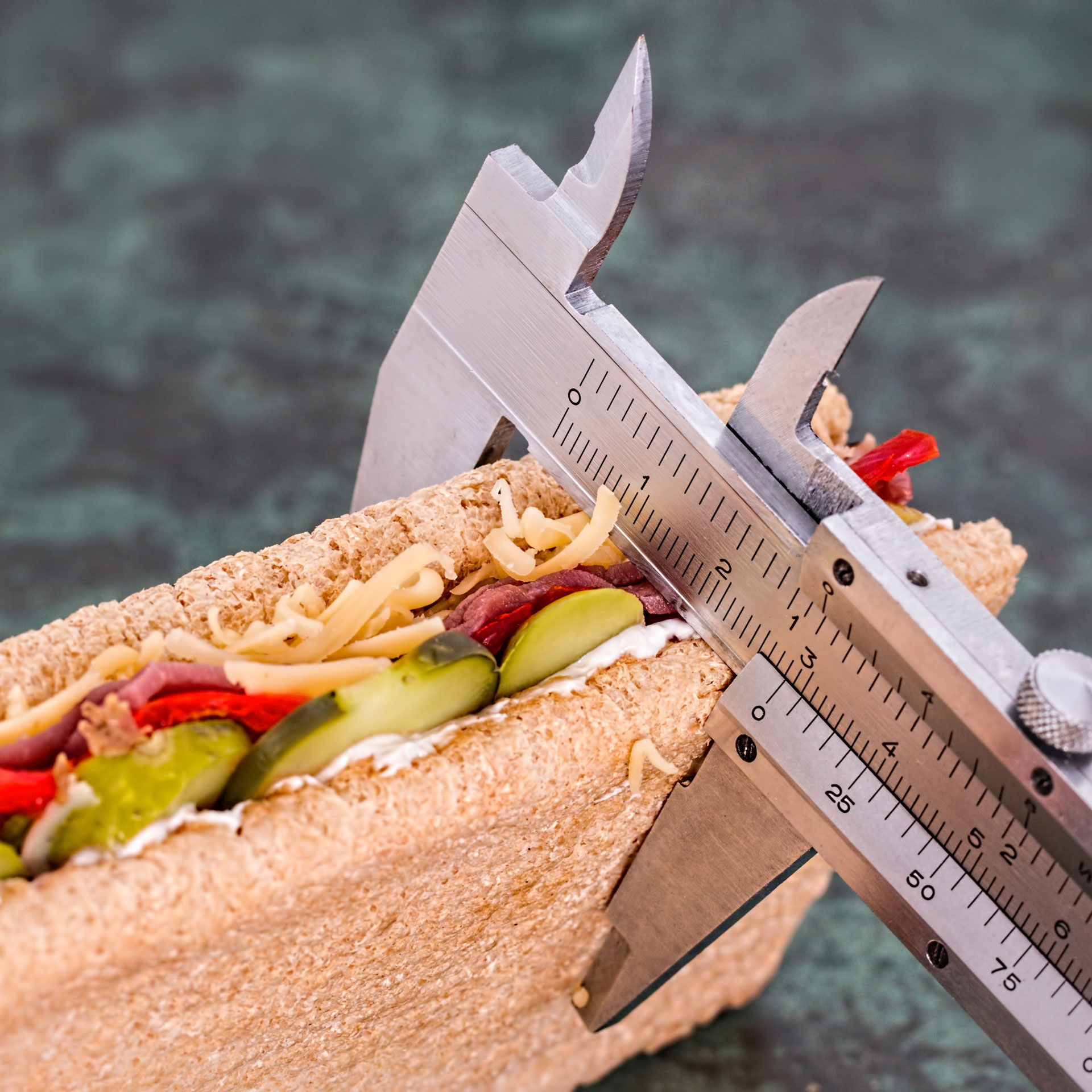
See the Nutrition and Physical Activity Health Fair Planning Guide at http://fcs.tamu.edu/
health/nutrition_physical_activity_fair_planning_guide/index.php for activities and ideas.

Occupant Protection (ALL)

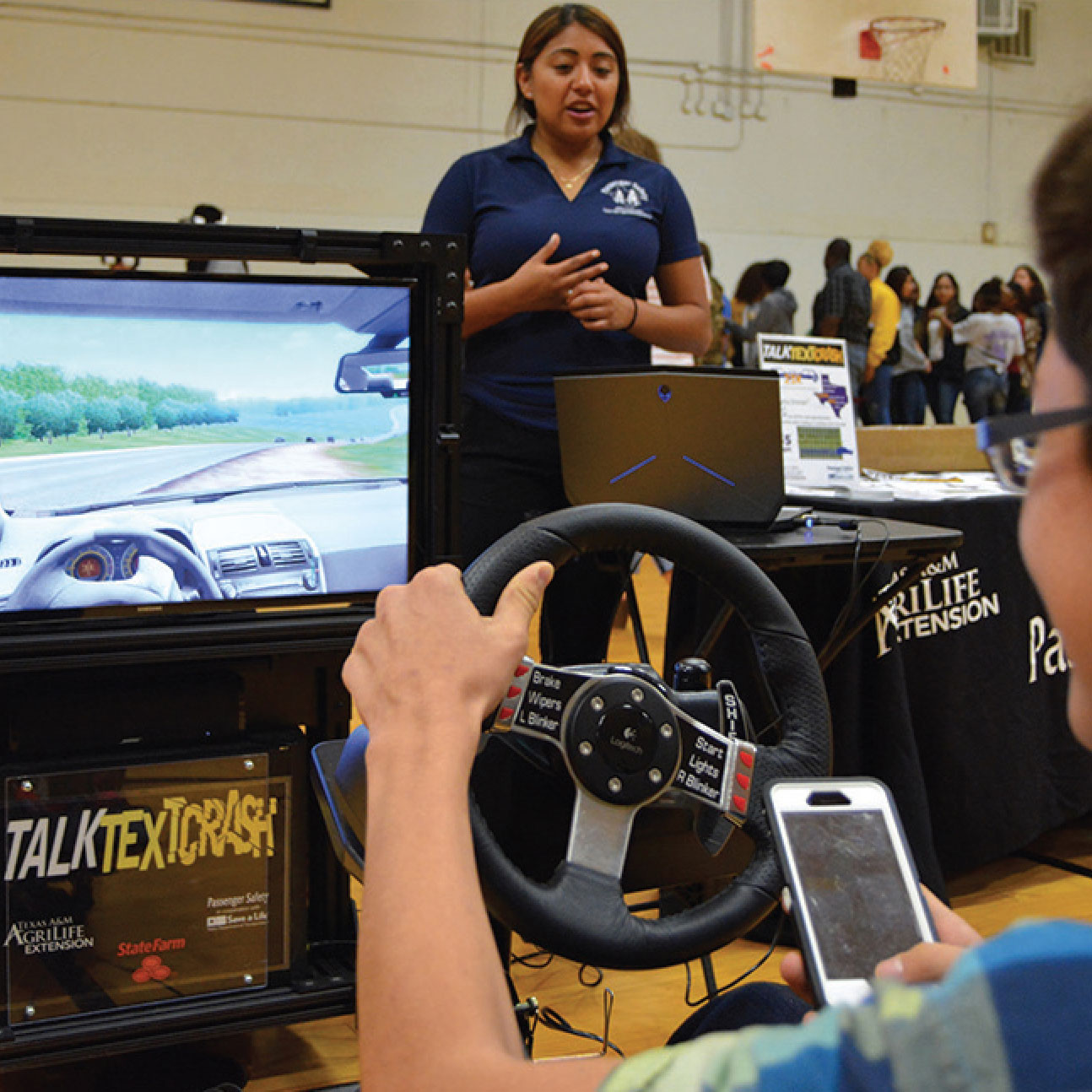
Have a booth with exhibits on passenger safety. These could include the following exhibits available from the Extension Passenger Safety office [http://fcs.tamu.edu/safety/passenger_safety/] at (979) 845-3850:

Exhibits should be requested 2 to 3 months in advance.

You may also request the Roll Over Convincer to demonstrate what happens to adults and children when a vehicle rolls and seat belts are unattached or improperly fastened. This should be requested 4 to 6 months in advance.

Poisonous Snakes (ALL)

Contact the Texas Department of Parks and Wildlife to show a snake display and explain how to know which snakes are poisonous and most likely to exist in your area.

Poison Prevention (ALL)

Have a booth to teach participants to beware of “look alikes.” Many items look similar and can be mistaken for one another. For example, children often mistake medicine for candy or liquid cleaners for beverages. Make a poster with different pills and candies. Have flaps to conceal what each item is called. See if participants can discriminate between the candy and medicine.

In the bathroom, many adults and older adults mistake one product for another due to rushing or vision problems. Try placing masking tape over the labels on toothpaste tubes, arthritis/muscle cream, and hemorrhoid cream; or eye drops, nasal spray, and ear drops. See if participants can tell the difference. Contact your area Poison Control Center for displays and other information that may be available.

Skin Cancer Prevention (ALL)

Present the Skin Cancer Exhibit available in Spanish and English (available at district Extension offices, urban county Extension offices, and Extension Educational Resource Library). Talk about the importance of applying sunscreen, using appropriate SPF (sun protection factor), and wearing the right clothing outside.

Tobacco Use Prevention

In Texas only, call Carol Rice, at 979-845-3850, or e-mail her at crice@ag.tamu.edu to obtain exhibits and displays such as Mr. Dip Lip, Smoking Effects and Hazards Display, Death of a Lung and other tobacco prevention materials.

Traffic Safety (O)

Have a booth with passenger safety exhibits. These exhibits could include the following, which are available from the Extension Passenger Safety office at (979) 862-4658 or (979) 862-1782. Or check the website at: http://passengersafety.tamu.edu.

Exhibits should be requested 2–3 months in advance. You may also request the Rollover Convincer to demonstrate what happens to adults and children when a vehicle rolls and seat belts are not used or improperly fastened. The rollover convincer should be requested 4–6 months in advance. You may also contact your local Traffic Safety Specialist (Texas Department of Transportation) or Safety Education Trooper (Department of Public Safety) to provide more information.

Safety Belts and Child Safety Seats (ALL)

Have teens put on a “Vince and Larry’” Passenger Safety Show. Costumes can be reserved from the Extension Passenger Safety office.

Drinking and Driving (T, A)

Contact MADD (Mothers Against Drunk Driving) for handouts and other resource information at (800) GET-MADD or on the web at http://www.madd.org.

Bicycle/Pedestrian Safety (C, Y, T)

Hold a bicycle rodeo. Provide children, adolescents, and teens with an educational program about bicycle safety. Have each participant go through a safety course where they must use appropriate hand signals, etc. Then have each participant ride through an (age-level appropriate) obstacle course. Have door prizes and giveaways for the best, safest riders. This activity requires approved bicycle helmets.

Older Drivers (O)

Zoonosis Control (Y, T)

In Texas, consult the Texas Department of State Health Services Zoonosis Control Branch for information on controlling diseases transmissible from animals to humans (rabies, Lyme disease, etc.). Information can be found at http://www.dshs.state.tx.us/idcu/health/zoonosis. This site contains outdoor health and safety tips for hunters, campers, and hikers.

Short Programs and Activities

Bicycle Rodeo (C, Y, T)

Hold a bicycle rodeo. Provide children, adolescents, and teens with an educational program about bicycle safety. Have each participant go through a safety course where they must use appropriate hand signals, etc. Then have each participant ride through an (age-level appropriate) obstacle course. Have door prizes and giveaways for the best, safest riders. Requires approved bicycle helmets.

Cancer Prevention and Early Detection

In Texas, call Carol Rice at 979-845-3850, or e-mail her at crice@ag.tamu.edu to find presentations and handouts for a variety of audiences. Topics include skin cancer prevention and early detection, breast and cervical cancer early detection, and others. Ready-to-go presentations may be found at http://fcs.tamu.edu/health/lower_your_cancer_risk/lower_your_cancer_risk.php.

Child Health (TP, AP, GP)

Ask a local health care provider to present a short program on child health issues, such as:

Fire Prevention and Safety (C, Y, TP, AP)

Contact your local fire department to provide a safety education program. Some fire departments will even have an actual house in which children can practice safety tips.

Health Care/Self Care (A, O)

Present a program on self-care for families. Here are some ideas:

The Healthwise Handbook, an excellent self-care manual, may be ordered at http://www.healthwise.org. The Healthwise Handbook helps families make better health care decisions including when to seek emergency medical treatment as well as safe home treatment for the most common health care issues for families.

Heart Disease and Stroke Prevention and Early Detection of Heart Attack and Stroke (C, Y, T)

Contact a local health care provider to do a short presentation on a selected topic like peripheral artery disease, dealing with heart failure, controlling blood pressure, etc. The American Heart Association (http://www.americanheart.org) has handouts and other program materials that are downloadable on a variety of topics, including recognizing early symptoms of heart attack and stroke.

Occupant Protection (C, Y, T)

Have your 4-Hers put on a “Vince and Larry” or “Elvis” Passenger Safety Show. Costumes and accompanying cassettes can be ordered from the Extension Passenger Safety office [http://fcs.tamu.edu/safety/passenger_safety/] at (979) 845-3850. Cassettes are set up so your kids can pantomime the words and songs.

Physical Activity (ALL)

Have a local aerobics, fitness, or karate expert provide a free, participatory activity, such as beginning step aerobics, or the advantages of strength training, etc. Try contacting your local YMCA for this and other related programs.

Ask an exercise physiologist, sports trainer, or physical therapist to speak on how to buy appropriate walking shoes or exercise equipment, what sports drinks are best or how to make your own sports drinks, learning to find your target heart rate, safely exercising in heat and cold extremes, or how to start a walking club.

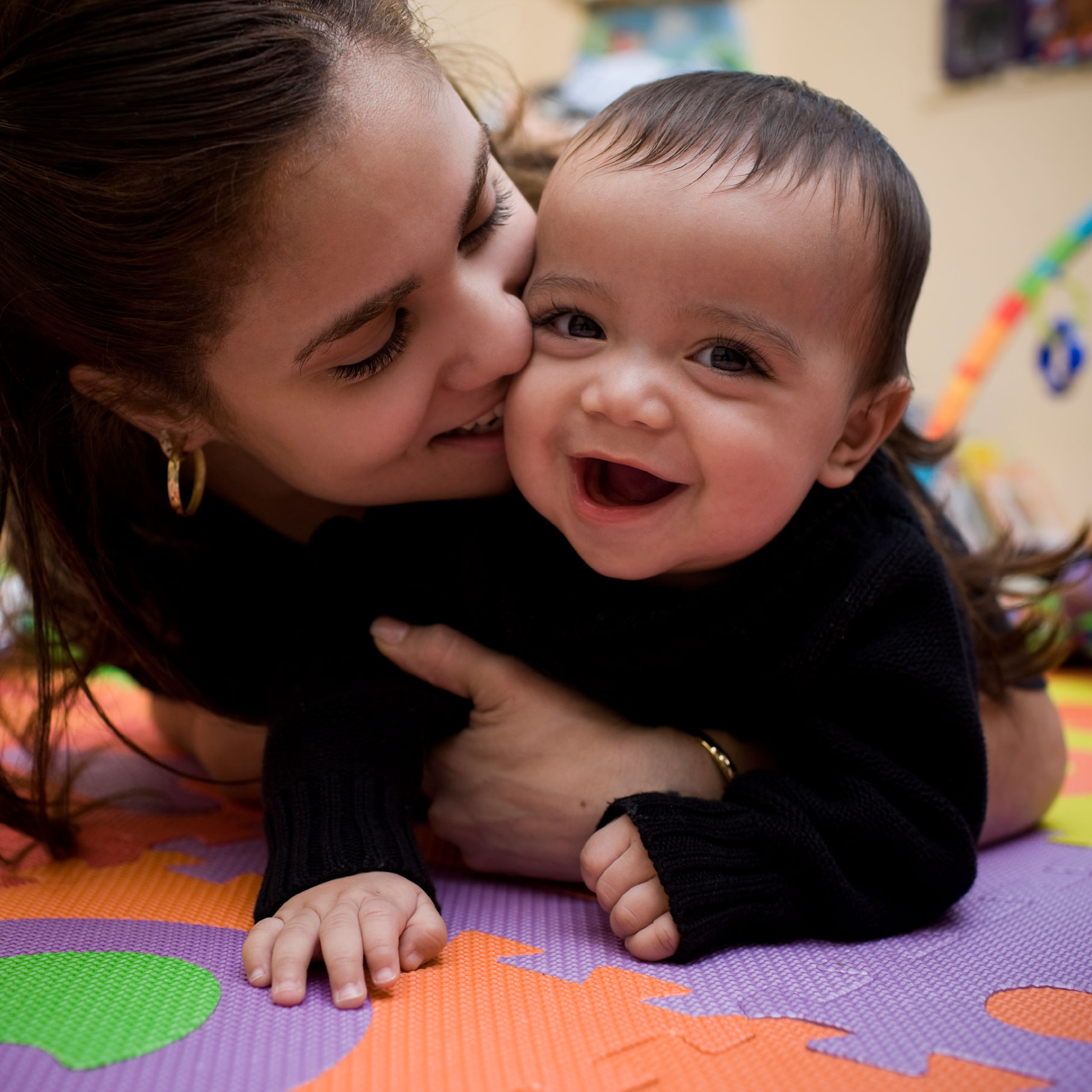
Prenatal Care (TP, AP)

Ask a local registered and licensed dietitian to speak about prenatal nutrition. Go to http://marchofdimes.com for excellent handouts and topic ideas. Nurse practitioners, midwives, and other health care providers can be excellent speakers on a variety of topics.

Women’s Health (A, O)

Contact a local health provider to present a program preventing osteoporosis, early detection of breast and cervical cancer, controlling menopausal symptoms, etc.

Stress Management (A, Y*, T*, O*)

Try the Ping Pong Ball Balance Activity (adapted from Practical Parent Educators Curriculum). For this activity, you will need a plastic dish pan (filled ½ full with lukewarm water), a small hand towel, and 20 ping pong balls labeled as follows: promotion, relocation, parenthood, divorce, lay off, death, injury, illness, retirement, financial change, occupation change, law violation, begin or end of school, sex difficulties, marriage, pregnancy, mortgage over $50,000, alcohol, drugs, depression.

Ask a participant to assist in the demonstration. Instruct the participant that as you drop ping pong balls into the dish pan, he/she is to keep the balls under the surface of the water with his/her hands (both hands may be used).

Read each ping pong ball as you drop it into the water. Explain to the group that struggling to keep the balls under the water is like trying to hold down all of the stressors with no resolution. We are able to keep some control over a few stressors, but as they accumulate and begin to build, it often becomes difficult to contain and control them.

As balls are being dropped into the water, encourage the volunteer to share any feelings or frustrations he/she might be experiencing in trying to keep the balls down. Allow the volunteer to dry his/her hands and sit down.

Pull a few of the balls out and read the labels. Ask for suggestions on how to manage or prevent such stressors. Provide a handout with some suggestions (see August 1997 HealthHints newsletter for ideas [http://fcs.tamu.edu/health/Health_Education_Rural_Outreach/
Health_Hints/1997/August/Stress. php]).

*This activity would be appropriate for adolescents/teens, and older adults; just change the stressors on the ping pong balls to make them appropriate to your audience.

Tobacco Use Prevention (ALL)

Try these activities with health fair participants:

Grasping for Air

Almost all cases of emphysema are due to cigarette smoking. The Gasping for Air activity will help participants to understand what it feels like to have emphysema.

Materials: one wrapped straw for each participant.

Participation: Give each participant a straw, and ask them to remove the wrapping. Have each participant place the straw in his/her mouth. Ask each participant to pinch his/her nostrils closed and breathe only through the straw in the mouth.

Another version of this is to have participants run in place for one minute. Then place straw in the mouth and breathe for one minute through the straw only. Children and teens like this version.

Caution: Explain that if any difficulty exists with breathing, they can stop the activity at any time.

Next: Participants are to breathe through the straw for one minute. After about 30 seconds, and continuing to breathe only through the straw, have participants look around at each other. (This should cause some laughing while still attempting to breathe through the straw.)

Experience: After the minute is up, ask participants to describe what is was like to breathe through the straw. (They will tell you it was difficult to breathe.) Explain that this is what is feels like to breathe when a person has emphysema. Ask them if it was harder to breathe through the straw when they started laughing. Ask them to consider how difficult it might be to go up a flight of stairs (or do other common activities) if they had to breathe like this.

You could also have two sponges to demonstrate why someone with emphysema has such a hard time breathing. One sponge should be moist and the other hard. The moist sponge is like a healthy lung filled with air sacs. The dry sponge is like the lung of someone with emphysema. A healthy lung (moist sponge) can easily bring oxygen into the air sacs (alveoli) and force carbon dioxide out of the air sacs. A lung with emphysema (hard sponge) cannot do this; trapped carbon dioxide stays in the lungs, making the person feel like they are starved for air.

Smoke in the Air

This activity only takes 5 minutes and is a good way to help people understand the implications of second-hand smoke.

Materials: spray bottle filled with water; tar-stained handkerchief.

Demonstration: Spray water from the spray bottle into the air as you move around the room.

Participation: Ask participants how they would react if they thought you were spraying perfume? A deadly poison? A virus? Tobacco smoke?

Demonstration: Show participants the handkerchief through which a smoker has exhaled tobacco smoke (be sure to have a smoker do this ahead of time).

Explanation: Explain that the tar in the tobacco smoke made the stains. The smoke in the handkerchief had already been in the lungs of the smoker. Ask what this tells the non-smoker about exhaled smoke from smokers? (It is harmful to everyone.)

Explain that second-hand smoke is the smoke that’s in the air when tobacco is being smoked. Nicotine is also present in the second-hand smoke. Tar, nicotine, and other harmful substances in tobacco smoke pose a health threat to nearby non-smokers (adults, children, even family pets are affected).

Jar of Tar

This activity demonstrates how much tar goes into the lungs of a smoker in one year.

Materials: Clear jar with a lid. One cup of molasses poured into the jar.

Demonstration: Hold the jar with the 1 cup of molasses.

Participation: Ask participants how long would it take for a 1 pack a day smoker to get this much tar in their lungs. Ask participants what tar has to do with smokers’ cough.

Explanation: This is how much tar enters the lungs of a 1 pack a day smoker in one year. Tar contains the substances that cause damage to lungs resulting in problems like emphysema and lung cancer. Tars also cause damage to the hair cells or cilia in the respiratory tract, causing the hairs to be flat instead of standing up and sending mucus back up the tract. Mucus collects, and the smoker has to cough to get the mucus out. This is what causes the smokers’ cough. As shown in the Smokey Room demonstration above, tars get into the air, and people around the smoker breathe them too.

Put It Outside

In Texas, call Carol Rice at 979-845-3850, or e-mail her at crice@ag.tamu.edu to find a variety of resources on this topic. The goal of these materials is to help parents of young children realize the dangers and consequences of exposing children to secondhand smoke including the increased risk for allergies, asthma, upper respiratory and ear infections. See http://putitoutside.tamu.edu/index.php for excellent resources on this topic.

Scavenger Hunt

Often it can be difficult to organize school groups or other youth groups for participation in a health fair. Some of the biggest challenges are getting the youth to actively inquire about the booths and keeping all the youth from going booth-to-booth as a large group. A good way to overcome these challenges is to have a health fair scavenger hunt. Here’s how it works:

Scavenger Hunt Questions

Of course, not all health fairs will have the same booths, exhibits, and demonstrations, but here are some sample questions you might ask on your Scavenger Hunt Questionnaire.


[ Next Page: Evaluating the Health Fair ]

[ Previous Page: Setting Up Committees and Duties ]

[ Health Fair Planning Guide Index ]


Topic Navigation:

Agent Login


Family Development & Resource Management
2251 TAMU
College Station, Texas
77843-2251
phone: 979.845.3850
fax: 979.845.6496
fdrm@tamu.edu

Food & Nutrition
2253 TAMU
College Station, Texas
77843-2253
phone: 979.845.6379
fax: 979.847.9225

[Texas AgriLife Extension Service]

[Texas A&M System]