Risk Factors that Increase Your Chances of Getting Breast Cancer
You are at greater risk to have breast cancer simply because
you are a woman. Men can also get breast cancer, but it is
about 100 times more common in women than in men.
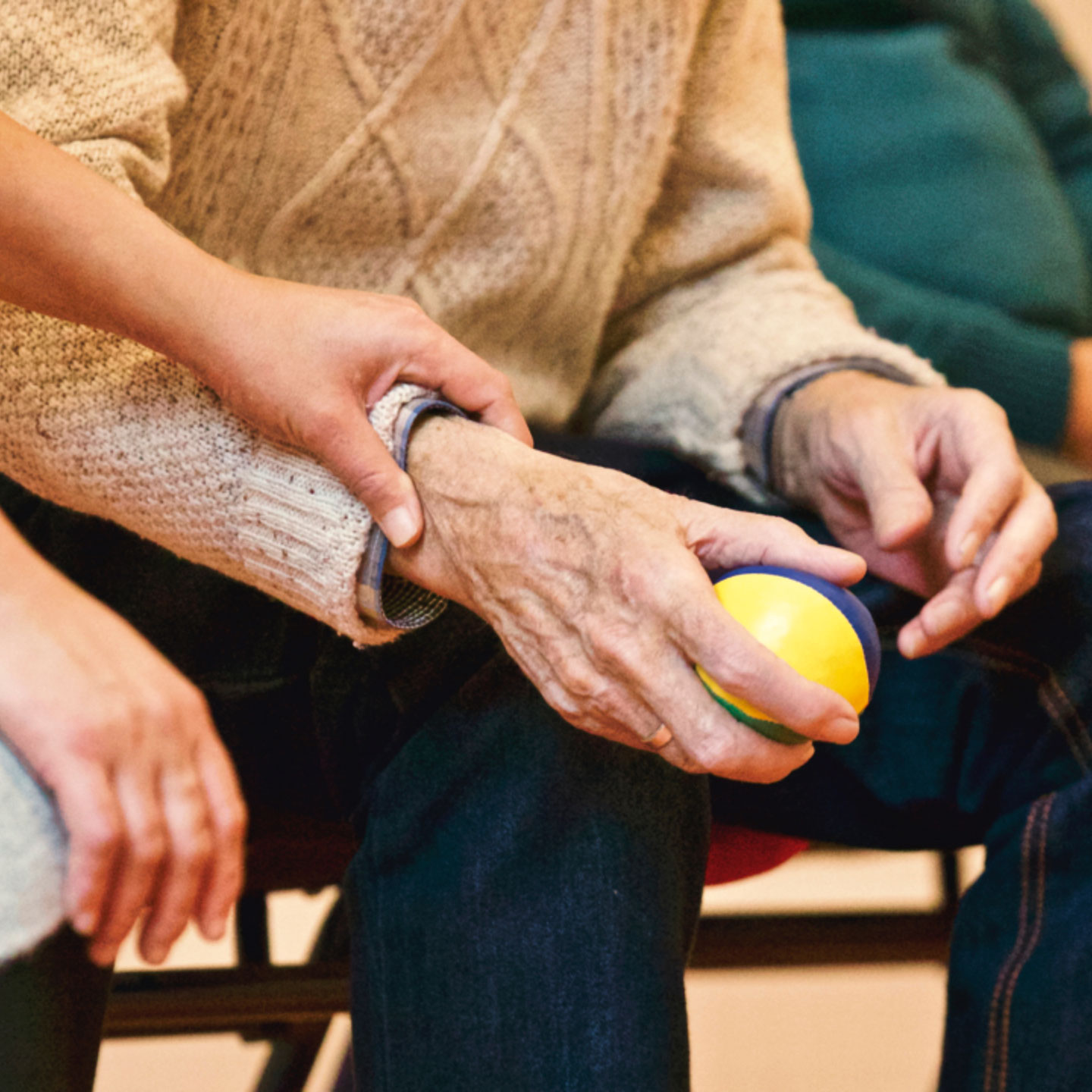
Your chance of getting breast cancer increases as you grow
older. Nearly 8 out of 10 breast cancers are found in women
over age 50.
Changes or mutations in your genes are also thought to cause breast cancer. About 5 to 10 percent of breast cancers are linked to changes in certain genes.
Your risk for having breast cancer is higher when you have a close blood relative who has had this disease. The relatives can be from either your mother’s or father’s side of the family. If your mother, sister or daughter has had breast cancer, your risk of also having it almost doubles.
As African-American women, you are more likely to die of breast cancer than are women in other groups. Researchers are not sure why this is true, but it could be because cancers are often found in African-American women at a later stage.
African-American women tend to not undergo mammograms or clinical breast exams. Also, tumors generally grow faster in African-Americans than in other groups of people.
Risk Factors…Personal History
Your personal history also plays a role in whether you are more likely to get breast cancer. If you have had any abnormal biopsy results, you may have a slightly higher risk of breast cancer.
If you have had cancer in one breast, you have a greater chance of getting a new cancer in the other breast or in another part of the same breast. This is different from the first cancer coming back, which is called recurrence.
If you have had radiation treatment to the chest area earlier in life, your risk of breast cancer is greatly increased.
You have a slightly increased risk of breast cancer if you started having periods early—before 12 years old—or went through the change of life (menopause) after age 55.
In the past, some pregnant women were given the drug diethylstilbestrol (pronounced die-eth-il-still-BES-stroll), or DES. They were given this drug because it was thought to lower their chances of losing the baby. If you took DES when you were pregnant, you have a slightly increased risk of getting breast cancer.
Lifestyle Risk Factors
Breast cancer has also been linked to how women live their lives every day. The following lifestyle risk factors increase your risk for breast cancer.
If you have never had any children or if you had your first child after age 30, you have a slightly higher risk of breast cancer.
It is still not clear how taking birth control pills affects your risk of breast cancer. Studies have found that women now using birth control pills have a slightly greater risk of getting breast cancer than those not taking them.
Women who stopped using the pill more than 10 years ago do not seem to have any increased risk. It’s a good idea to discuss the risks and benefits of birth control pills with your doctor.
Using combined hormone replacement therapy for several years or more may also slightly increase your risk of breast cancer as well as the risk of heart disease, blood clots and strokes.
Hormone replacement therapy is also called HRT. When you use combined HRT, you take a combination of estrogens and progesterone.
In people who are using combined HRT, breast cancers are found at a more advanced stage, perhaps because this therapy seems to make mammograms less effective.
However, 5 years after stopping HRT, your breast cancer risk
appears to drop back to normal.
Taking estrogen alone appears to not increase the risk of breast cancer much, if at all.
At this time, there appear to be few strong reasons to use HRT, other than for short-term relief of menopausal symptoms. Because there are other factors to consider, talk with your doctor about the pros and cons of using HRT.
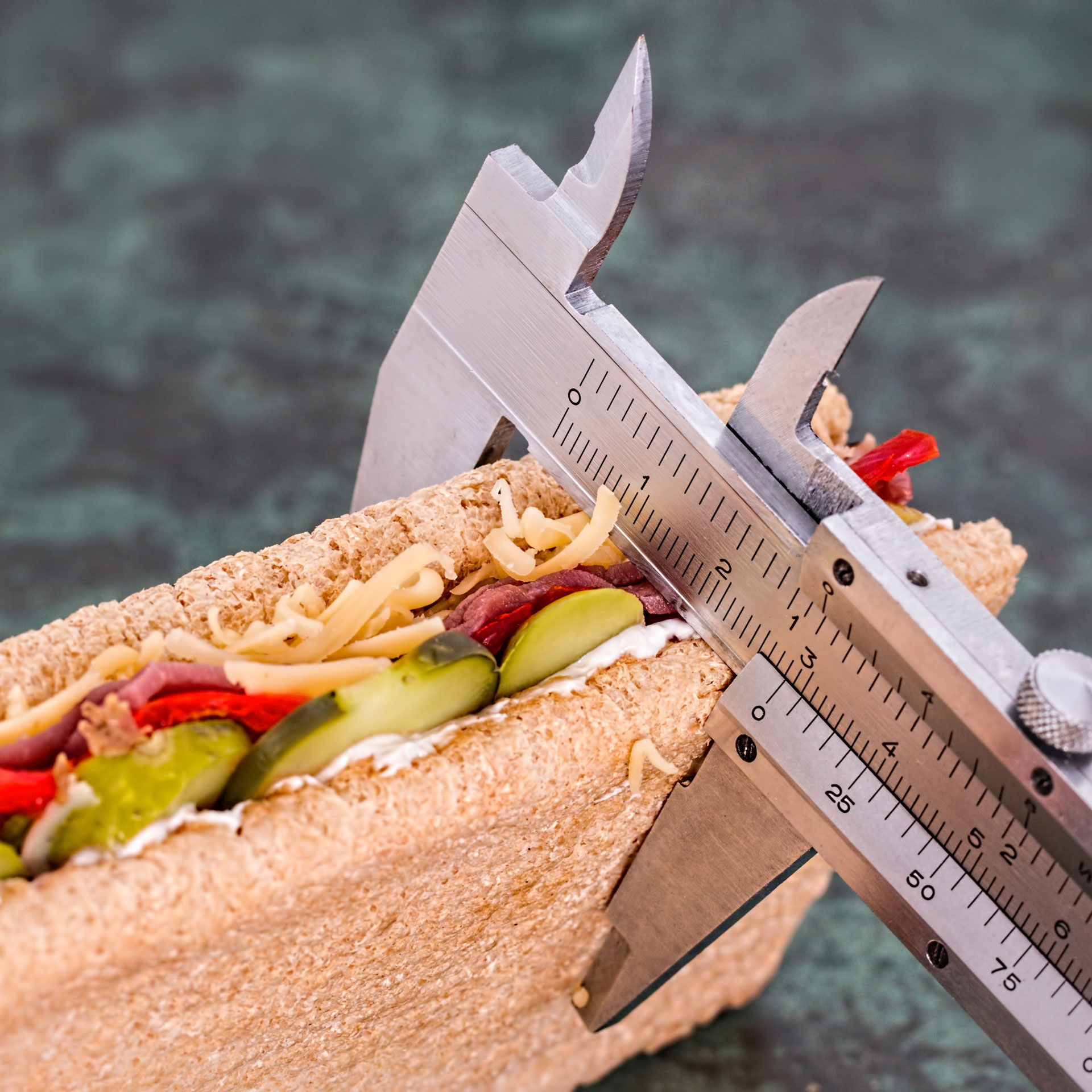
Being overweight brings a higher risk of breast cancer, especially if you have already undergone menopause, or the change of life, and if the weight gain took place during adulthood.
Also, the risk seems to be higher if the extra fat is in your waist area. But the link between weight and breast cancer risk is complex, and studies of fat in the diet as it relates to breast cancer risk have often shown conflicting results.
Lower Your Risk
Because
diet and weight have been shown to affect the risk of getting several other types of cancer as well as heart
disease, the American Cancer Society says it’s best to stay at a
healthy weight and limit your consumption of red meats,
especially those high in fat or that are processed.
Some activities actually reduce your risk of getting breast cancer. One of these activities is breast-feeding. If you breast-feed your children, you lower your chances for breast cancer.
Some studies have shown that breast-feeding slightly lowers breast cancer risk, especially if the breast-feeding lasts 1 1/2 to 2 years.
This could be because breast-feeding lowers a woman’s total number of menstrual periods, as does pregnancy. One study found that having more children and breast-feeding longer could cut your risk of breast cancer by half.
Studies have also shown that there’s a lower risk for breast cancer for women who drink no alcohol. The American Cancer Society suggests that you limit the amount of alcohol you drink, if you drink at all.
Another activity that reduces breast cancer risk is exercise. One study found that as little as 1 hour and 15 minutes to 2 1/2 hours per week of brisk walking reduced the risk by 18 percent. If you walk 10 hours a week, you can reduce your risk even more.