picture of the sun

Heat Exhaustion and Heat Stress

Avoiding and Treating Heat-Related Problems

Types of Heat-Related Problems

Reducing Your Risks

1. Drink lots of cool water

Drink lots of cool water, even more than you think you need, when the weather is hot and humid. (High humidity makes heat injuries more likely because perspiration does not evaporate from the skin as quickly; this causes the body to cool down more slowly.) Water is best; fruit and vegetable juices are good, too.

Drink at least a gallon of liquid a day (about 16 glasses) when the outside temperature is above 90 degrees and you are not in air-conditioned surroundings. This will mean drinking 1 1/2 times as much liquid as your thirst signals you to drink.

Overweight people need even more water during summer than average weight people.

Do not drink beer or other alcoholic beverages, coffee, tea or other drinks containing caffeine because they cause you to lose fluid.

2. Maintain normal salt intake

Maintain normal salt intake in your diet (1 1/2 teaspoons or less per day). If you have heart disease or high blood pressure, ask your doctor about your salt intake.

3. Wear light-colored clothes

Wear light-colored clothes that are loosely woven and absorbent. Cotton is best; it absorbs 40 percent of its weight in moisture. Most synthetic (manmade) materials trap body heat and are not absorbent. Wear a hat to shade your head.

4. Avoid outside activities during the heat of the day

If you are required to work outside, take frequent breaks and drinks of cool water. Do not run or do other types of energetic exercise during the heat of the day. Get wet, wear wet clothing, or bathe/shower as often as possible without drying yourself—this gives your body cooling system a boost.

5. If there is no air conditioning:

6. Older people are more sensitive to heat

Realize that older people are more sensitive to heat and may easily suffer heat-related sickness. Also, anyone with diabetes, heart disease, arteriosclerosis, high blood pressure, or Parkinson’s Disease is more sensitive to the effects of heat.

Reducing Your Risks During Physical Activity

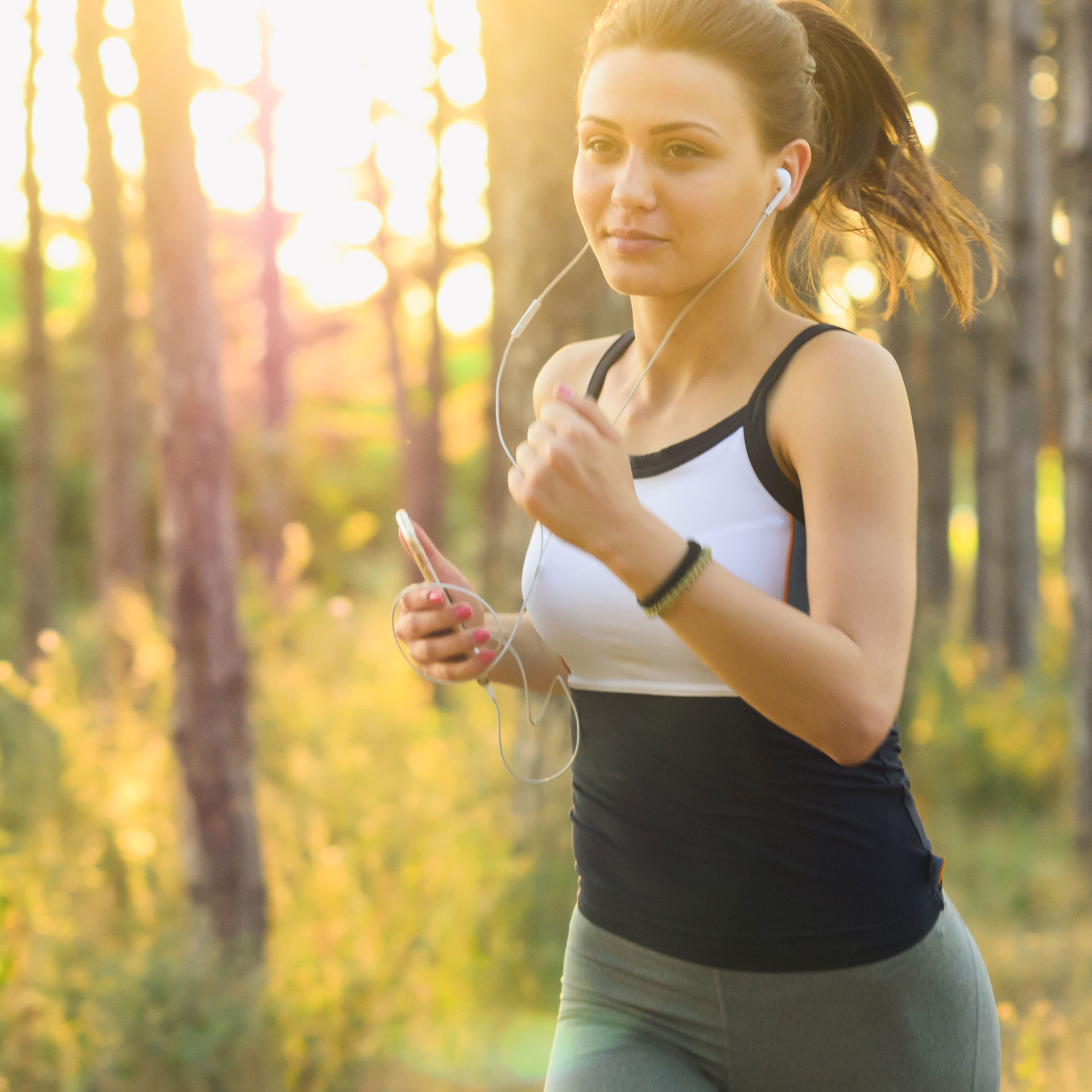
To physically perform your best in hot weather, you must have an unlimited amount of water available to drink. You should:

Treating Heat-Related Problems

Heat Cramps

  1. Rest in a cool, shaded place.
  2. Drink cool water slowly (4 ounces which is equal to 1/2 cup of fluid, every 15 minutes)
  3. Stretch the muscle lightly.
  4. Massage the area gently.

Heat Exhaustion

  1. Rest in a cool, shaded place.
  2. Lie down with feet raised 8 to 12 inches.
  3. Loosen all clothing.
  4. Drink cool water (4 ounces, which is equal to 1/2 cup of fluid, every 15 minutes).
  5. Place cool, wet clothes on forehead and body.

Heat Stroke

  1. Remove clothing.
  2. Sponge with cool water.
  3. Fan with a towel or cloth.
  4. Call an ambulance and transport the person to the nearest emergency room immediately. This is a life-threatening emergency.


References:


Topic Navigation:

Agent Login


Family Development & Resource Management
2251 TAMU
College Station, Texas
77843-2251
phone: 979.845.3850
fax: 979.845.6496
fdrm@tamu.edu

Food & Nutrition
2253 TAMU
College Station, Texas
77843-2253
phone: 979.845.6379
fax: 979.847.9225

[Texas AgriLife Extension Service]

[Texas A&M System]