Changes in Touch: A Fact Sheet on Aging
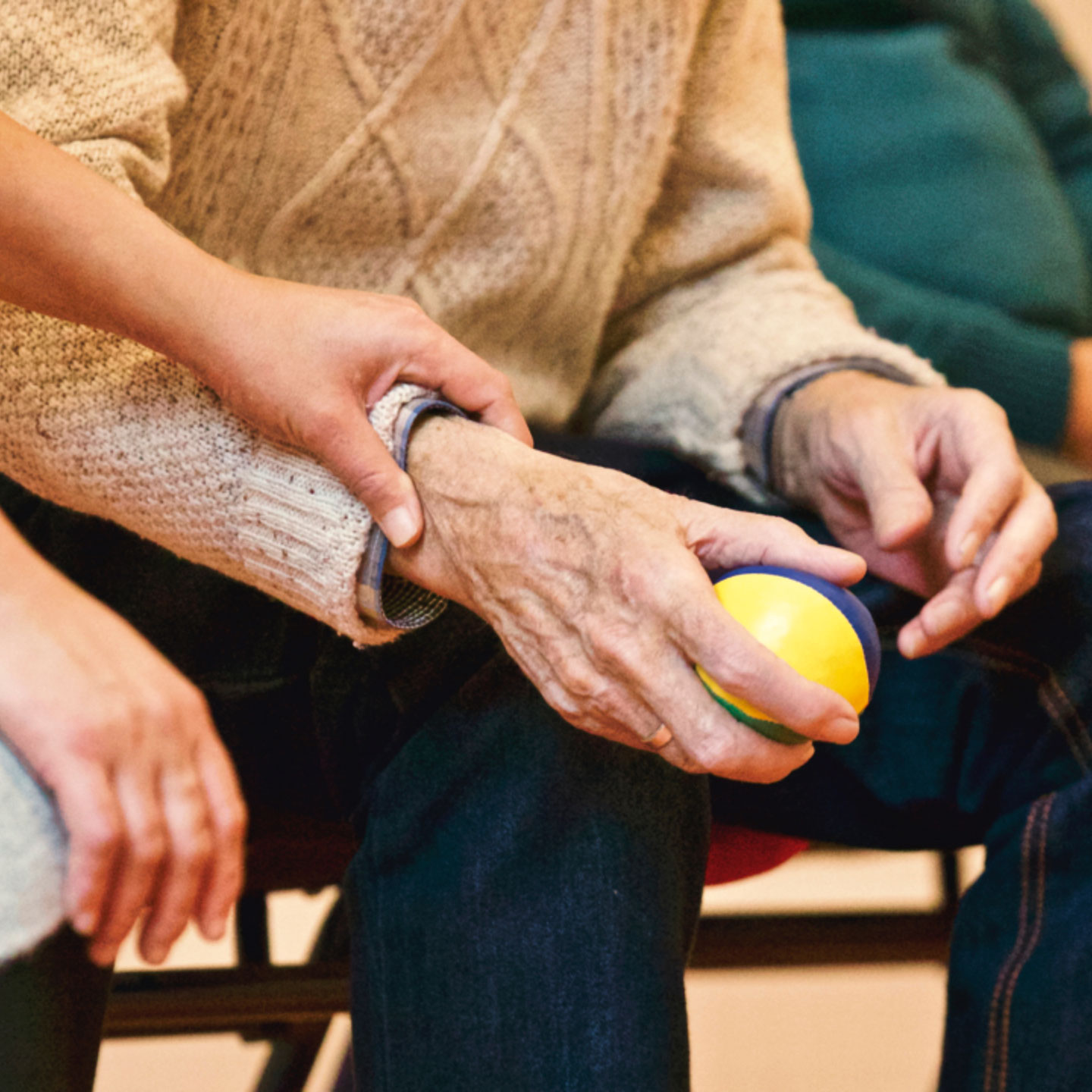
Tactile Changes:
- Reduced tactile sensation – touch messages don’t get sent to brain; can’t ties shoes if can’t feel shoe laces; can’t respond to heat (hand on hot object—iron or stove) if can’t feel heat; e.g. bruise – don’t know it; children and others can react – “Oh Mother, you are so careless (blaming)”
- Textures, temperatures, other discriminations are difficult cause:
- Parkinson’s disease
- Small cardiovascular accidents unnoticed cause sensory difficulties
- Lack of blood flow to hands – due to swelling
- Arthritis
- Decline in use of limbs/muscles resulting from continual sitting or being bedridden
Tactile difficulties may produce these behaviors:
- Avoidance – withdrawal from sewing, touching other people, touching unfamiliar objects
- Extremes in recognizing pain – cannot detect; overreacts
- Oral exploration – place object in mouth to determine what it is
- Not responding to pressure
- Grasping objects tightly (overreacting)
Actions you may take:
- Talk – give an explanation of what you are doing
- Assure grip before release
- Touch – increase pressure just enough for person to feel your touch but not enough to hurt